
Rekosh Healthcare

immunotherapy

Cancer Oncology

Cancer care , with every option on the table

We are specialised in, and have better access to, treatment for 38 types of cancer, including recurrent, inoperable and metastatic cases, through partner hospitals across Asia.

38 cancer types
19 treatment approaches
8 partner countries
Cancer Oncology
Personalised guidance from diagnosis to recovery

What is cancer immunotherapy?

Cancer immunotherapy uses or modifies the body's immune system to help recognise and fight cancer cells. The immune system naturally protects the body against infections and abnormal cells, but cancer cells can develop ways to escape it or suppress it.

Unlike chemotherapy, which directly affects rapidly dividing cells, immunotherapy works through specific immune mechanisms. Some approaches activate existing immune cells, some block signals that suppress immunity, and others introduce specially prepared immune cells into the body.

Advanced cellular immunotherapy involves collecting, preparing, activating or modifying selected immune cells in specialised laboratories, then giving them under a defined treatment protocol.

Multidisciplinary medical team consultation

How does immunotherapy work?

Cancer immunotherapy may work through several mechanisms.

Immune activation

Stimulating immune cells to improve their ability to respond to cancer.

Cancer cell recognition

Helping immune cells identify markers linked to malignant cells.

Immune regulation

Blocking inhibitory signals that stop immune cells working well.

Cellular attack

Introducing prepared immune cells that can destroy susceptible cancer cells.

Immune memory

Supporting responses that may keep recognising cancer-linked targets.

Types of cancer immunotherapy

Each approach uses a different mechanism and may be considered for different cancer types and situations.

01

Cytokine–based immunotherapy

02

Adoptive T–cell therapy

03

Natural Killer (NK) cell therapy

04

Dendritic cell–based immunotherapy

05

DC–CIK cell therapy

06

Personalised neoantigen–based immunotherapy, including NsDC–T

07

CAR–T and CAR–NK cell therapy

Potential benefits

Depending on the approach and the patient’s condition, immunotherapy may offer:

  • A treatment approach that engages the body’s immune system
  • Recognition of selected cancer-associated targets
  • Personalised treatment strategies in certain cellular therapies
  • Potential for prolonged immune responses in selected patients
  • An option that may be combined with conventional cancer treatments
  • An additional consideration for selected advanced or recurrent cancers

Response to immunotherapy varies. Not every patient benefits, and treatment may cause immune-related or other side effects.

Cellular therapies we help you explore

Select a therapy to see how it works, step by step.

Dendritic Cell–Cytokine-Induced Killer Cell Therapy

DC–CIK cell therapy

A form of adoptive cellular immunotherapy that combines two types of immune cells: dendritic cells, which capture and present antigens so the immune system can recognise targets, and CIK cells, lab–expanded lymphocytes with features of both T cells and NK cells that can attack certain malignant cells.

Dendritic cell CIK cell Cancer cell

How it works

1
Blood collection

A blood sample is collected to obtain immune cells.

2
Immune cell separation

Peripheral blood mononuclear cells are separated in the laboratory.

3
Dendritic cell preparation

Selected cells are differentiated into dendritic cells for antigen presentation.

4
CIK cell activation

Lymphocytes are cultured with cytokines to develop and expand CIK cells.

5
Quality assessment

Prepared cells are checked against the laboratory's manufacturing protocol.

6
Cell administration

Cells are given by intravenous infusion, according to the treatment plan.

Potential benefits

  • Combines antigen presentation with immune–cell cytotoxicity
  • Uses immune cells prepared under controlled laboratory conditions
  • May support an immune response against selected tumour antigens
  • Has been investigated in different solid tumours
  • May be explored alongside conventional cancer care

Cancers studied in DC–CIK research

Lung Liver Gastric Colorectal Breast Ovarian Other solid tumours

Suitability depends on diagnosis, stage, previous treatments and the treating specialist’s assessment.

Tumour Neoantigen–Mediated Specific DC–T Cell Therapy

NsDC–T cell therapy

A personalised approach designed around neoantigens: new protein fragments that arise from mutations inside cancer cells, which the immune system may see as foreign. Every tumour has a different mix of genetic changes, so NsDC–T uses your tumour’s genetic information to find suitable targets and build a treatment tailored to your tumour profile.

Tumour DNA Neoantigens Personalised DC–T

How it works

1
Tumour sample collection

Tumour tissue and comparison samples are collected.

2
Genetic sequencing

Sequencing identifies mutations and variations in the tumour.

3
Neoantigen identification

Bioinformatics finds potential tumour-specific neoantigens.

4
Antigen selection

Potential targets are evaluated and selected.

5
Personalised peptide preparation

Selected antigen sequences are used to prepare peptides.

6
DC–T cell preparation

Dendritic and T-cell components are prepared using the selected targets.

7
Treatment administration

The product is given according to the specialist’s plan.

Potential features

  • Personalised approach based on tumour genetic information
  • Focus on selected tumour-specific neoantigen targets
  • Integrates genetic analysis with cellular immunotherapy
  • Designed to stimulate tumour-directed immune recognition

Suitability depends on

Adequate tumour tissue Tumour genetics Suitable neoantigen targets Previous treatments Overall health & immunity Clinical eligibility
Harnessing the Natural Immune Defence System

Natural Killer (NK) cell therapy

NK cells are lymphocytes of the innate immune system. They constantly check surrounding cells using activating and inhibitory receptors. When activating signals outweigh inhibitory ones, NK cells may recognise and attack susceptible cancer cells, without needing the antigen-specific recognition that T cells use.

In NK cell therapy, NK cells are collected or generated, activated and expanded in the laboratory, then given to the patient.

NK cell Perforin & granzymes Cancer cell

How NK cells destroy cancer cells

Perforin release

Creates pores in the target cell membrane.

Granzyme release

Enters target cells and triggers programmed cell death.

Apoptosis

Starts a controlled process of cellular destruction.

Cytokine production

Releases signals like interferon-gamma that regulate immunity.

Potential benefits

  • Uses the natural cytotoxic properties of NK cells
  • Can target some malignant cells without antigen–specific T–cell recognition
  • May be prepared from different cellular sources
  • Can be investigated with other cancer treatments
Compare autologous, allogeneic and cord blood NK cells
Highly Activated Natural Killer Cells

HANK cell immunotherapy

A specialised NK-cell-based approach associated with Fuda Cancer Hospital and HANK Bioengineering. NK cells are prepared, activated and expanded in the laboratory to develop a product with enhanced cytotoxic activity.

HANK is not a separate immune-cell family. It differs from conventional NK cell therapy mainly in how the cells are prepared, activated and expanded. It has been investigated in selected solid tumours and blood cancers.

Highly activated NK cells

How it works

1
Cell collection

Peripheral blood immune cells are collected from a suitable donor or source.

2
NK cell preparation

The required immune cells are processed in a specialised laboratory.

3
Activation & expansion

NK cells are cultured and activated with a defined manufacturing process.

4
Quality assessment

Identity, viability, purity and other parameters are assessed.

5
Cell infusion

The HANK cell product is given by intravenous infusion.

About our association with Fuda Cancer Hospital

Where do the immune cells come from?

NK cells for therapy can come from three sources. Whichever the source, they go through a similar preparation process.

Collect
Separate
Isolate NK cells
Activate & expand
Quality check
Infusion
Your Own Cells Back to the same patient

Autologous NK cells

NK cells are collected from your own blood, prepared and expanded in a lab, then returned to you.

  • Uses your own immune cells
  • No separate donor needed
  • Fewer donor-related graft-versus-host concerns

Cell quality can vary. Cancer, previous chemotherapy or radiotherapy and general health can affect preparation.

Donor Cells Donor Patient

Allogeneic NK cells

NK cells come from a healthy donor or an established cell source, and are prepared for another patient.

  • Alternative source of immune cells
  • May support standardised manufacturing
  • Available through donor and cell banks

Sources include donor blood, cord blood, stem-cell-derived NK cells and NK cell lines. Needs careful assessment of compatibility and risks.

Cord Blood Cells Stored in a cord blood bank

Cord blood–derived NK cells

Blood left in the umbilical cord after birth contains NK cells that can be isolated, expanded and banked.

  • Alternative immune–cell source
  • Units can be stored in cord blood banks
  • Room for lab expansion

Usually allogeneic (from a donor). It is autologous only if the cells come from the same person's own stored cord blood.

Feature Autologous Allogeneic Cord blood–derived
Cell source Patient's own blood Another person's blood or cellular source Umbilical cord blood
Donor Patient Separate donor Usually a separate donor
Preparation Patient-specific Donor-derived Cord blood unit-specific
Availability Requires patient collection Depends on donor or cell bank Depends on cord blood availability
Main consideration Patient cell quality Donor and product-related considerations Cell source, quality and expansion
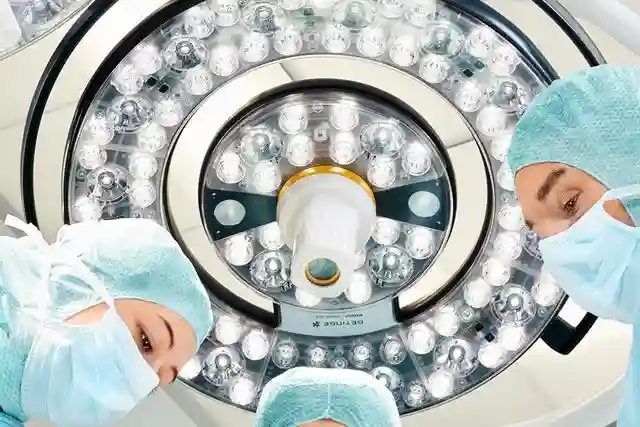
Advanced oncology operating facility

Part of a broader treatment plan

Cellular immunotherapy may be considered as part of a wider cancer plan. Depending on your diagnosis, specialists may evaluate combinations with:

Surgery Chemotherapy Radiotherapy Targeted therapy Immunotherapy medicines Local tumour procedures Supportive & palliative care

Cellular immunotherapy should not automatically replace established cancer treatments. Choice and timing depend on cancer type, stage, history, tumour characteristics and overall condition.

Cancer patient receiving compassionate care

Who may be evaluated?

Patients may seek a consultation in different situations, including:

  • Patients with selected solid tumours
  • Patients with recurrent or advanced cancer
  • Patients who have had previous cancer treatment
  • Patients exploring additional treatment options
  • Patients interested in personalised immune–cell treatment
  • Patients seeking a specialist opinion on international options

Eligibility is decided individually after reviewing records, pathology, imaging, previous treatments and general health. Not every patient is suitable for every cellular therapy.

Your treatment journey with Rekosh Healthcare

We help you understand your options and connect with the right specialists and treatment centres.[cite: 26]
Compassionate guidance Compassionate guidance

Expert record review Expert record review

Specialised cancer centres Specialised cancer centres
1

Initial consultation

Share your diagnosis, current condition and treatment needs.[cite: 26]

2

Medical record review

Pathology, imaging and treatment history are collected for specialist review.[cite: 26]

3

Treatment option assessment

Available approaches are discussed for your clinical condition.[cite: 26]

4

Specialist consultation

We connect you with suitable oncology specialists and centres.[cite: 26]

5

Treatment planning

The medical team evaluates eligibility, procedures, risks and estimated costs.[cite: 26]

6

Continued coordination

We support treatment coordination and communication throughout.[cite: 26]

Frequently asked questions

Chemotherapy directly attacks rapidly dividing cells throughout the body, while immunotherapy trains, boosts, or modifies the patient's own immune system to recognise and eliminate cancer cells specifically.

DC–CIK combines dendritic cells (antigen presenters) with cytokine-induced killer cells (lymphocytes). In contrast, NK cell therapy focuses exclusively on expanding natural killer cells of the innate immune system to destroy susceptible tumours directly without prior antigen sensitisation.

NsDC–T (Tumour Neoantigen–Mediated Specific DC–T cell therapy) is a highly personalised approach. It uses genetic sequencing to identify tumour-specific neoantigens and prepares targeted dendritic and T-cell components tailored precisely to the patient's mutations.

Autologous NK cell therapy uses the patient's own blood. NK cells are extracted, expanded and activated in a specialised laboratory, and subsequently infused back into the same individual, eliminating risks of graft-versus-host disease.

Allogeneic therapy sources NK cells from a healthy compatible donor, cord blood, or established cell banks. These cells are processed and banked for treatment, which is beneficial when a patient's own cells cannot be adequately harvested.

Generally no. Most cord blood treatments use donated, banked units making them allogeneic. They are only autologous if an individual is receiving cells isolated from their own cord blood saved at birth.

Yes, cellular therapies are frequently evaluated alongside or after chemotherapy, surgery, or radiotherapy under the supervision of oncology teams to improve disease control.

No. Eligibility depends on cancer type, stage, molecular profile, organ function, and previous lines of therapy. Suitability is decided individually following a comprehensive medical review.

No medical treatment can offer a guaranteed outcome. Responses vary between individuals; while some experience meaningful disease stabilisation or tumour regression, others may not respond.

Every cancer journey is different

Understanding available treatment approaches can help you and your family make informed decisions. Connect with our team to explore your options and request a specialist consultation.

Connect with our team

Medical disclaimer: Cellular immunotherapy approaches, including DC–CIK, NsDC–T, NK cell therapy and HANK cell therapy, have different levels of clinical development and availability. They are not established standard treatments for every cancer type. This information is educational and does not constitute a diagnosis, treatment recommendation or guarantee of clinical outcome. All treatment decisions should be made in consultation with qualified oncology specialists.

Request a specialist consultation

Share your details and our team will get in touch with you.

  • Personalised guidance based on your reports
  • Information on hospitals and treatment options
  • Support with coordination and next steps