
REKOSH HEALTHCARE
REGENERATIVE MEDICINE PROGRAM
INTRODUCTION TO STEM CELL THERAPY
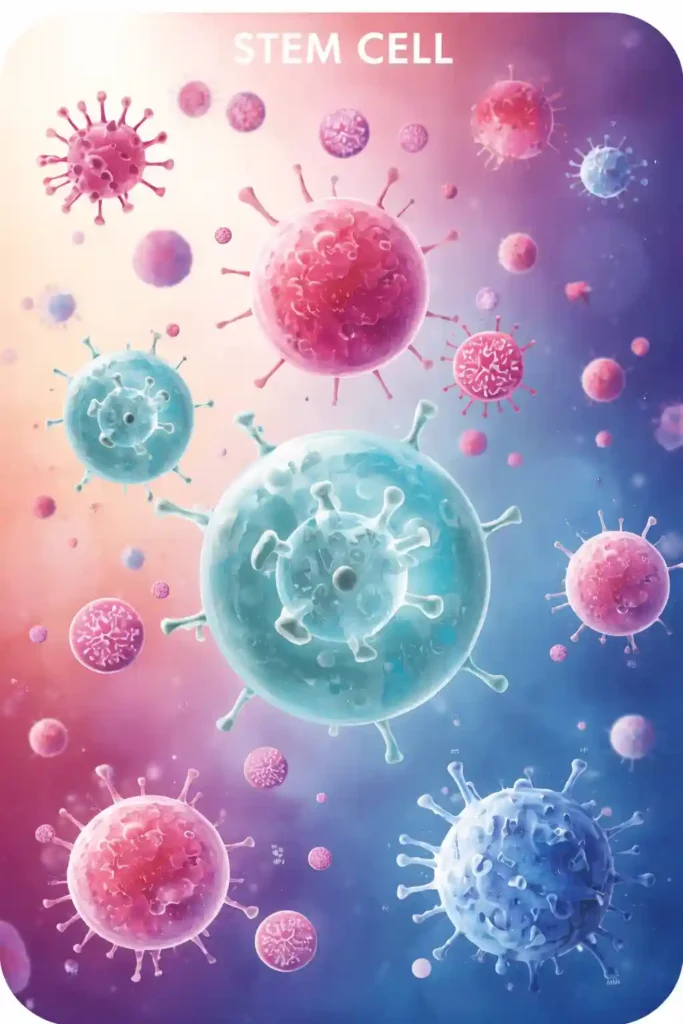

Introduction to Stem Cell Therapy
Stem cell therapy involves the use of specialized cells to repair or replace damaged tissues. This innovative approach holds potential for treating various diseases and enhancing healing processes.
What are Stem Cells?
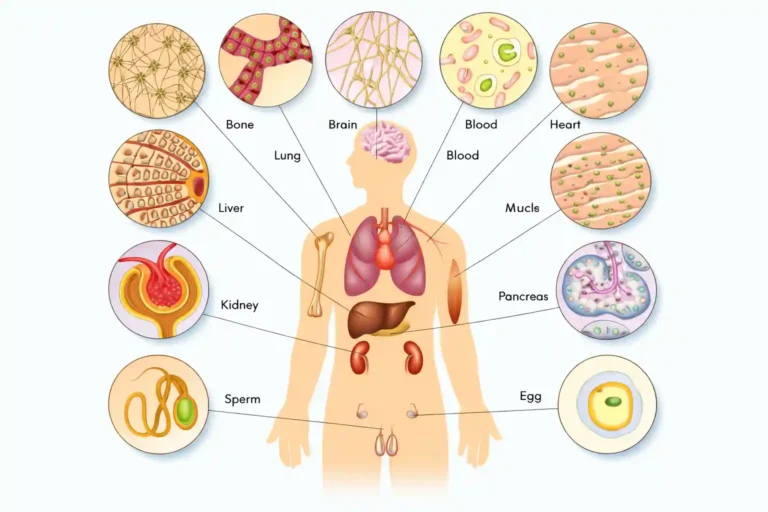
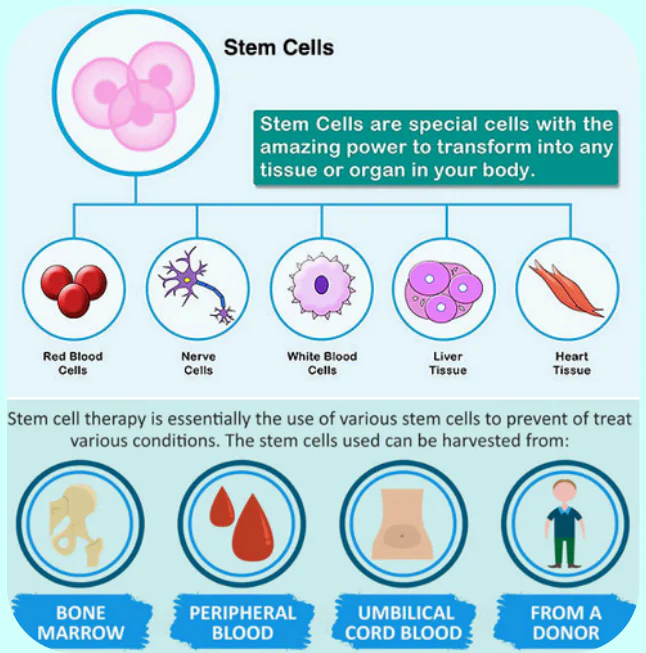
Stem cells are special cells in our body that have the ability to repair and replace damaged tissues. They are often called the body’s “master cells” because they can develop into different types of cells such as muscle cells, nerve cells, or cartilage cells.
These cells play an important role in healing injuries and maintaining healthy organs. When the body faces damage due to disease, aging, or injury, stem cells can help support natural repair processes.
ROLE OF STEM CELL THERAPY
IN DIFFERENT TYPES
OF CANCER
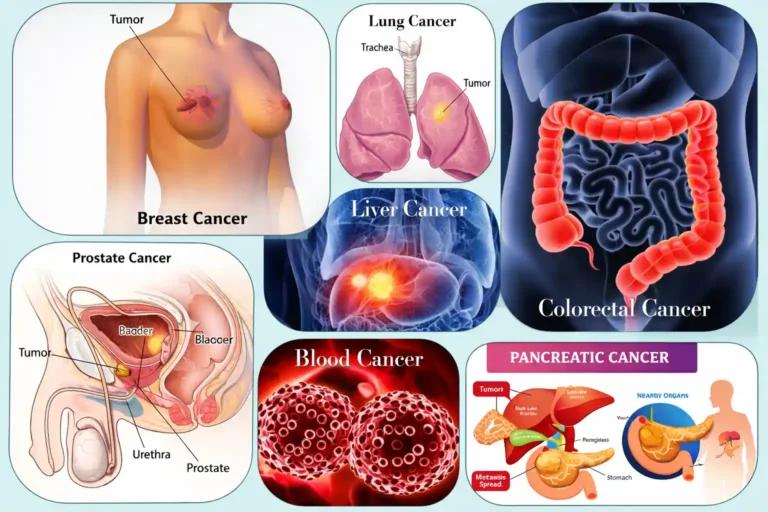
• Breast Cancer
- Helps support immune recovery after chemotherapy
- May reduce treatment-related fatigue
- Supports tissue healing after radiation
- Improves overall strength and quality of life
- Assists in recovery from bone marrow suppression
In selected advanced cases, stem cell transplantation may be used after high-dose chemotherapy to restore blood cell production.
• Lung Cancer
- May support lung tissue repair after radiation
- Helps reduce inflammatory damage
- Supports immune function
- Improves energy and breathing tolerance
- Assists recovery after intensive chemotherapy
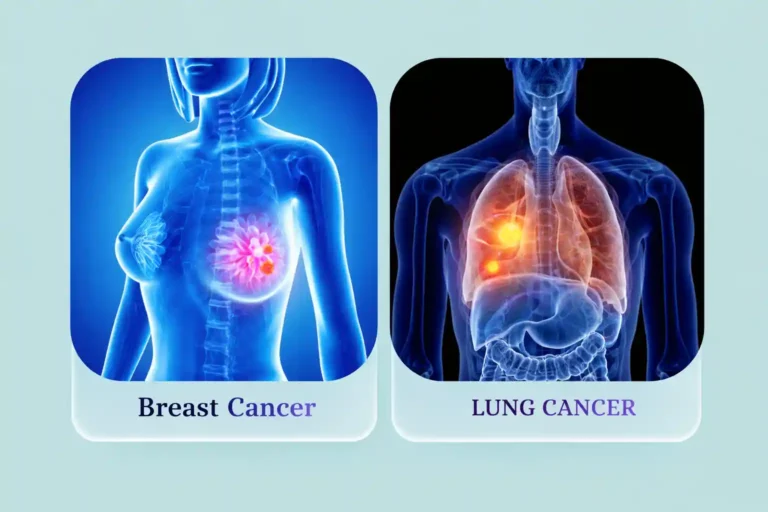
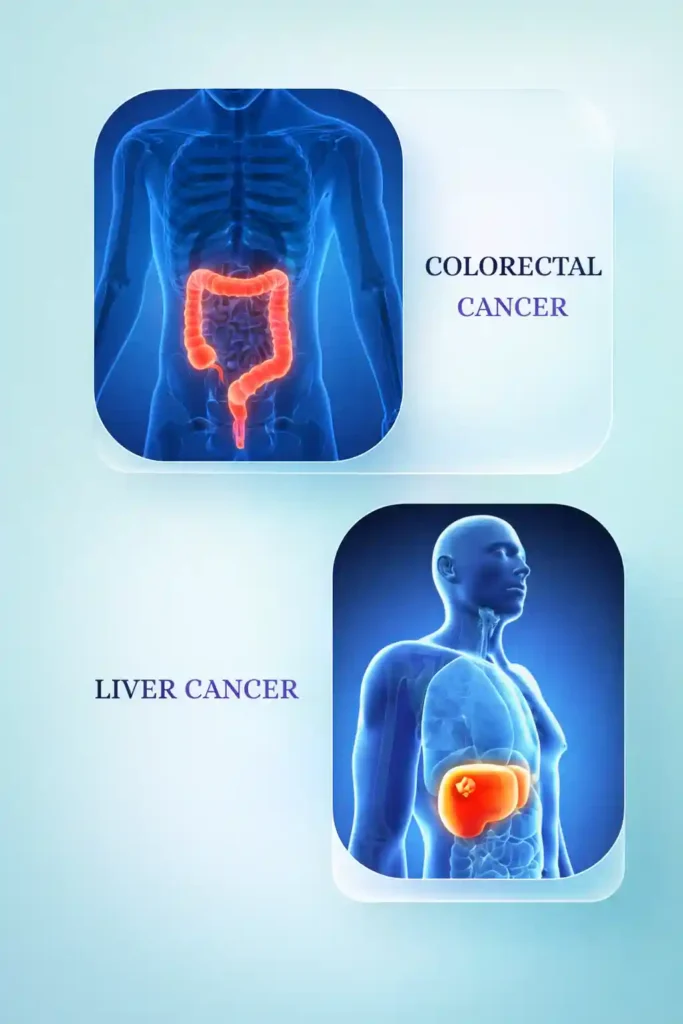
Breast Cancer
LUNG CANCER
- Supports intestinal lining repair
- May reduce inflammation after surgery
- Enhances immune strength
- Improves recovery after chemotherapy
- Supports nutritional absorption
- Supports tissue healing after surgery
- Helps improve urinary comfort
- Strengthens immune response
- Reduces treatment-related inflammation
- Supports overall vitality
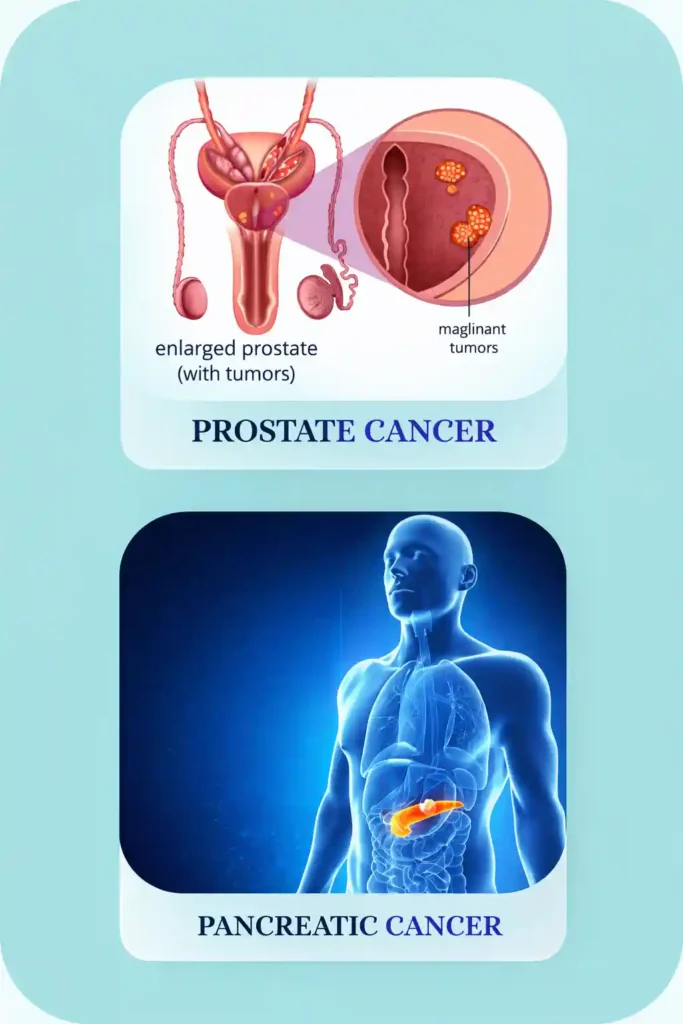
- Supports tissue healing after surgery
- Helps improve urinary comfort
- Strengthens immune response
- Reduces treatment-related inflammation
- Supports overall vitality
- May improve immune balance
- Supports tissue repair
- Enhances recovery after chemotherapy
- Improves energy levels
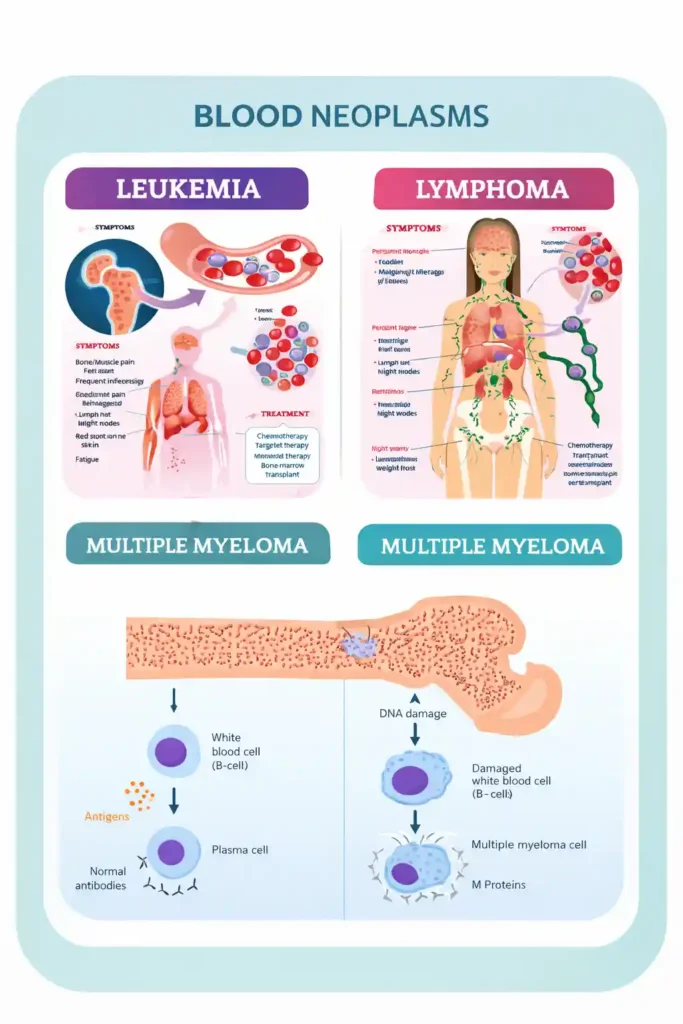
In blood cancers, stem cell transplantation plays a direct therapeutic role.
The Three main types of:- Leukemia – Cancer of white blood cells
- Lymphoma – Cancer of the lymphatic system
- Multiple Myeloma – Cancer of plasma cells in bone marrow
Role:
- Replaces damaged bone marrow after high-dose chemotherapy
- Restores red blood cells, white blood cells, and platelets
- Rebuilds immune system
- Reduces risk of relapse in selected cases
Definition:
Blood cancer refers to cancers that affect the blood, bone marrow, or lymphatic system. These cancers interfere with the body’s ability to produce healthy blood cells.
Common Symptoms:
- Persistent fatigue
- Frequent infections
- Easy bruising or bleeding
- Bone pain
- Swollen lymph nodes
- Unexplained weight loss
- Night sweats
Applications of Stem Cell Therapy
Application of stem cell therapy include regenerative medicine, orthopedic neurological and hematopoietic disorders, ocular and cardiovascular diseases, skin and wound healing, diabetes management, liver diseases, and autoimmune disorders.
-
Regenerative Medicine:
Heart disease, spinal cord injuries, diabetes. -
Orthopedic Treatments:
Osteoarthritis, Sport injuries. -
Neurological Disorders:
Parkinson’s, Alzheimer’s multiple Sclerosis. -
Hematopoietic Disorders:
Leukemia, Lymphoma, Severe anemia. -
Ocular Diseases:
Retinal Damage, macular degeneration.
Current Applications of
Stem Cell Therapy
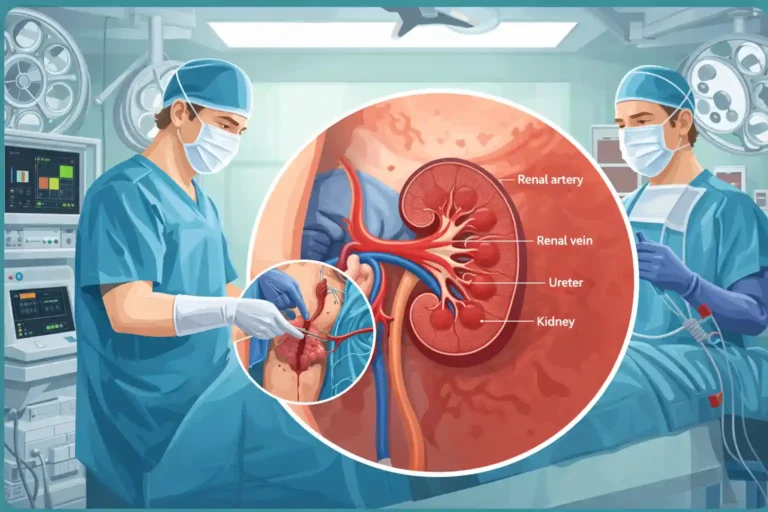
Blood Disorders
Stem cells help treat various blood conditions.
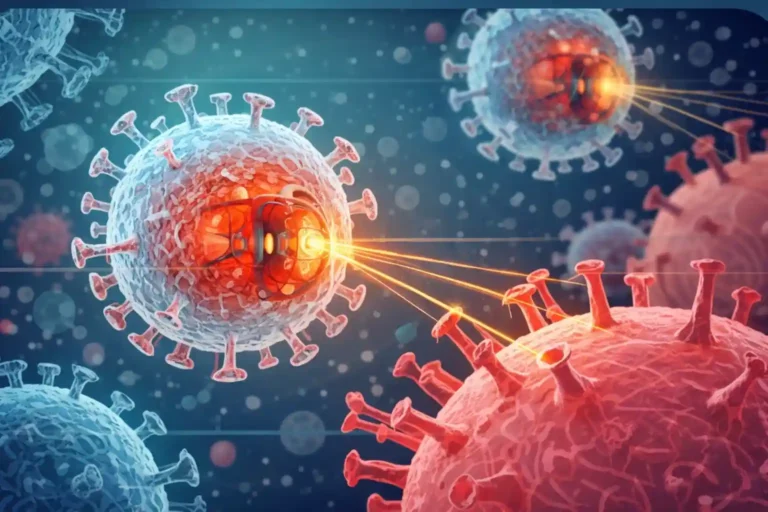
Damaged Tissues
They repair tissues damaged by injury or disease.
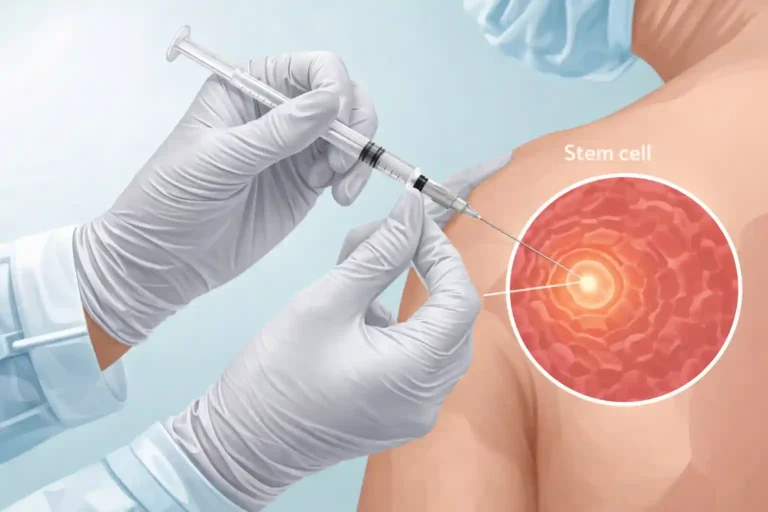
Regenerative Medicine
Stem cells advance therapies in regenerative medicine.
Emerging Applications of
Stem Cell Therapy
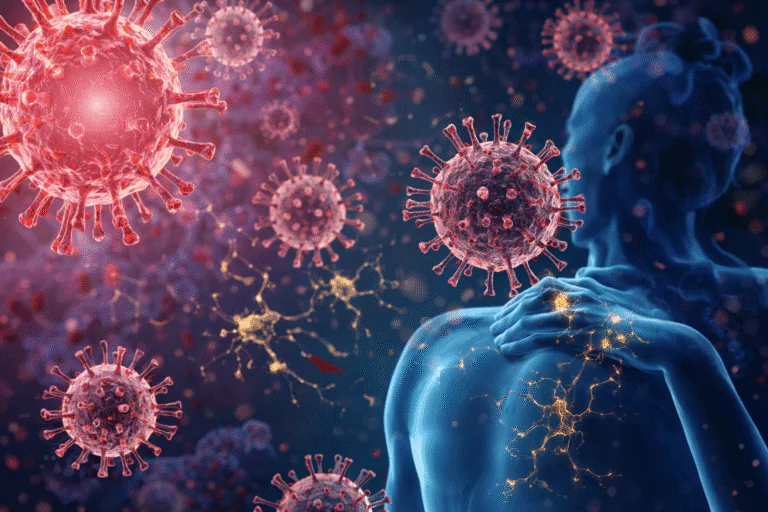
Neurodegenerative
Stem cells may repair damaged neuron connections.
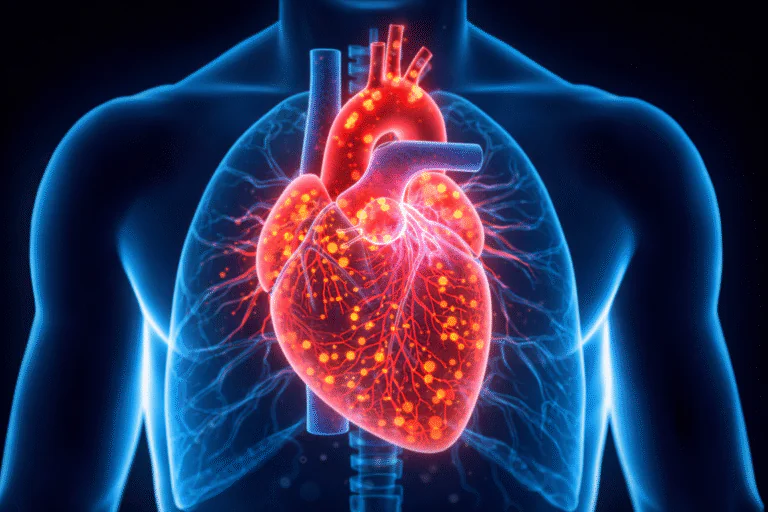
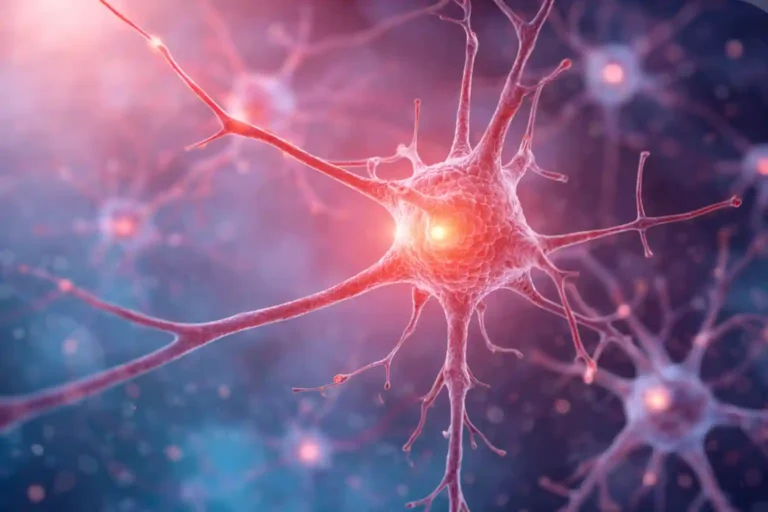
Cardiovascular
Stem cells can aid in heart tissue repair.
Autoimmune
Stem cells may help modulate immune responses.
STEM CELL THERAPY
How We
Perform
Therapy
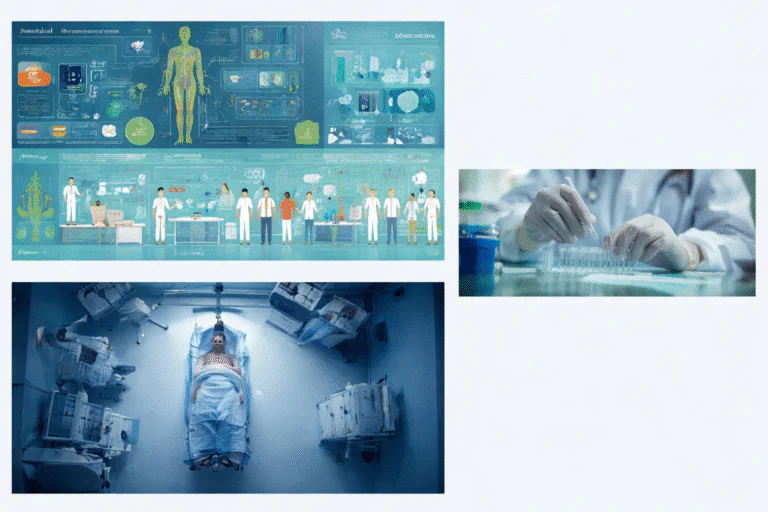
How We Perform
Stem Cell Therapy
at Rekosh Healthcare

Step 1 – Consultation
We begin with a detailed discussion about your medical history, symptoms, and previous treatments. Your reports are carefully reviewed.
Step 2 – Diagnostic Evaluation
We conduct necessary blood tests, organ function tests, and imaging studies to assess your condition and ensure safety.
Step 3 – Eligibility Confirmation
Our medical team reviews all findings to determine if stem cell therapy is suitable for you.
📊 Regenerative Therapy Flow Chart
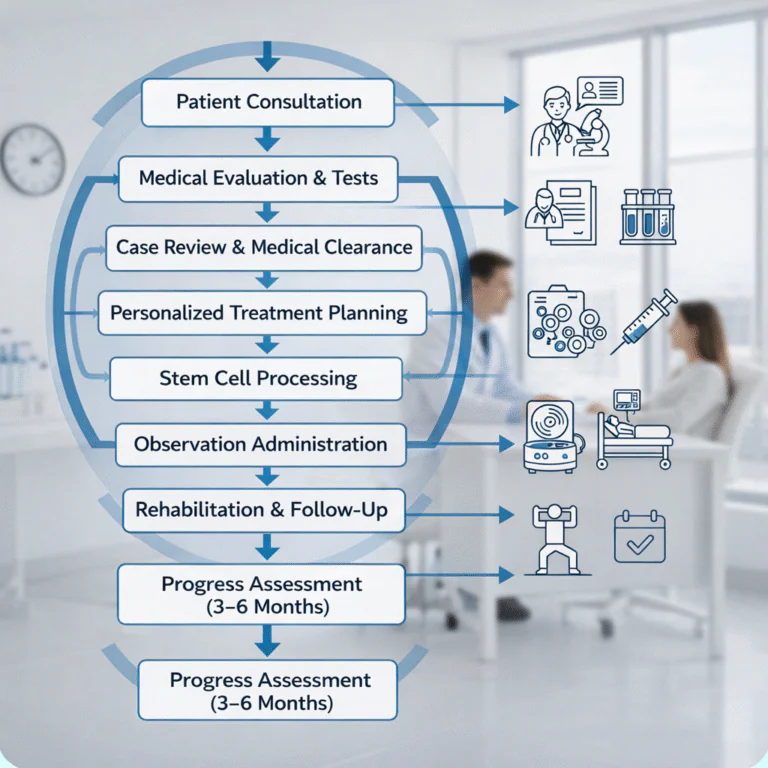
Stem Cell & Regenerative Therapy Program
Nervous System Conditions
SPINAL CORD INJURY
“The nervous system controls movement, memory, emotion, and coordination. Supporting nerve health supports life itself.”
Definition
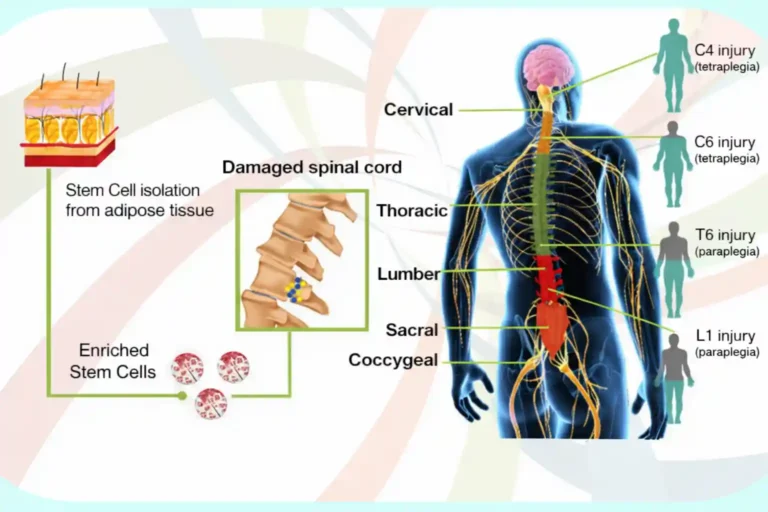
Spinal cord injury occurs when trauma or disease damages the spinal cord. This can interrupt communication between the brain and the rest of the body.
Common Symptoms
- Weakness or paralysis below the injury level
- Loss of sensation
- Muscle stiffness or spasms
- Difficulty with bladder or bowel control
- Reduced balance and coordination
How Stem Cell Therapy May Help
Stem cell therapy may support repair of damaged nerve tissue and reduce inflammation around the spinal cord.
Diagnostic Tests
- MRI of the spine
- CT scan
- Neurological examination
- Functional assessment scales
- Blood tests for safety clearance
Procedure
- Detailed neurological evaluation
- Imaging review
- Medical clearance
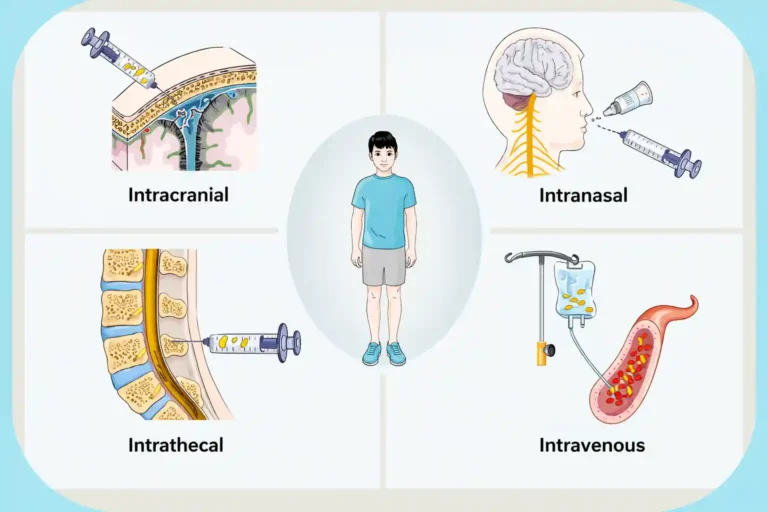
- Targeted stem cell administration
- Physiotherapy and rehabilitation
- Long-term follow-up monitoring
CEREBRAL PALSY
“Early support builds stronger developmental progress.”
Definition
Cerebral palsy is a neurological condition that affects movement, muscle tone, and posture. It usually develops due to a brain injury before or during birth.
Common Symptoms
- Muscle stiffness or weakness
- Poor coordination
- Delayed developmental milestones
- Difficulty walking
- Speech challenges
How Stem Cell Therapy May Help
Stem cell therapy may support repair of damaged brain tissue and improve neural communication. It may assist in improving muscle control, coordination, and cognitive function when combined with therapy programs.
Diagnostic Tests
- Brain MRI
- Developmental assessment
- Muscle tone evaluation
- Pediatric neurological examination
- Blood tests for screening
Procedure
- Pediatric neurological evaluation
- Imaging confirmation
- Safety screening
- Controlled stem cell therapy
- Physiotherapy integration
- Developmental progress monitoring
ALZHEIMER’S DISEASE
“Memory is precious. Protecting brain health matters.”
Definition
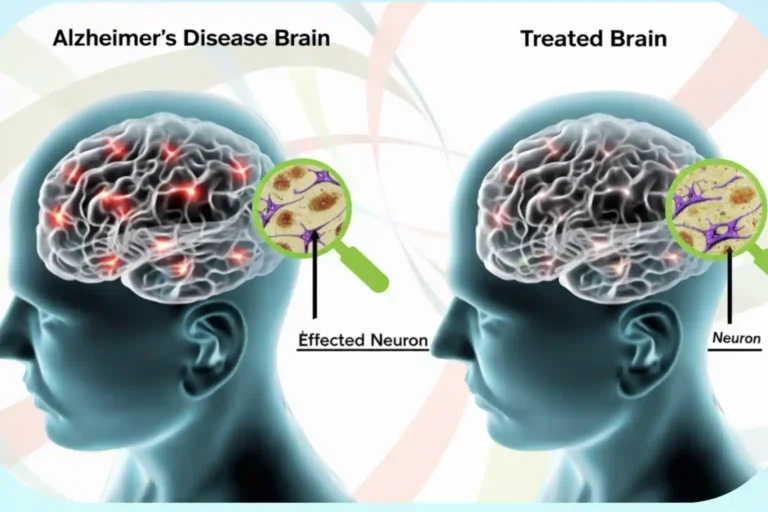
Alzheimer’s disease is a progressive condition that affects memory, thinking, and behaviour. It occurs due to gradual degeneration of brain cells.
Common Symptoms
- Memory loss
- Difficulty recognizing people
- Confusion
- Mood changes
- Difficulty performing daily tasks
How Stem Cell Therapy May Help
Stem cell therapy may help support brain cell protection and reduce inflammation. It may enhance neural connectivity and improve cognitive function and quality of life.
Diagnostic Tests
- Cognitive assessment tests
- MRI brain
- Neurological evaluation
- Blood screening
- Memory function scoring
Procedure
- Cognitive and neurological assessment
- Brain imaging review
- Medical clearance
- Targeted stem cell administration
- Cognitive therapy support
- Regular monitoring and reassessment
PARKINSON’S DISEASE
“Small improvements in movement can make a big difference.”
Definition
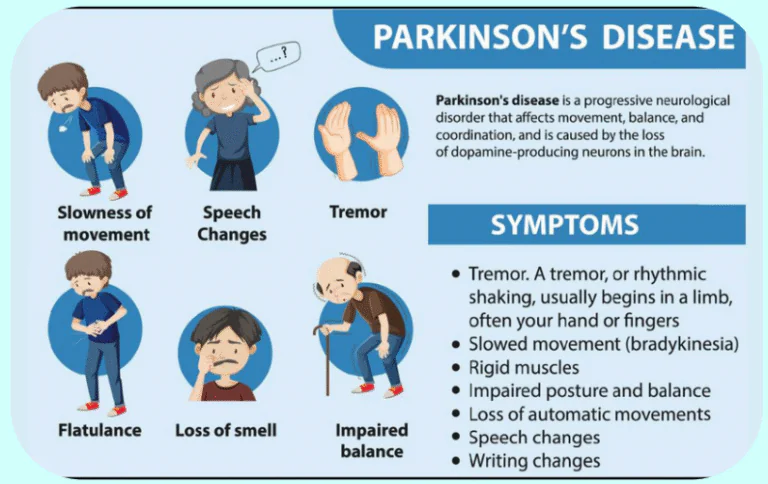
Parkinson’s disease is a progressive neurological disorder that affects movement. It occurs due to reduced dopamine production in the brain.
Common Symptoms
- Tremors
- Muscle stiffness
- Slowed movements
- Balance problems
- Speech changes
How Stem Cell Therapy May Help
Stem cell therapy may support dopamine-producing neurons and reduce inflammation in the brain. It may help improve motor function and coordination when combined with medications and physiotherapy.
Diagnostic Tests
- Neurological examination
- MRI brain
- Movement assessment scales
- Blood screening
Procedure
- Neurological assessment
- Imaging review
- Medical clearance
- Controlled stem cell therapy
- Physiotherapy and motor training
- Ongoing monitoring
ATTENTION DEFICIT HYPERACTIVITY DISORDER (ADHD)
“Focused support helps build focused minds.”
Definition
ADHD is a neurodevelopmental disorder characterised by inattention, hyperactivity, and impulsivity. It affects children and may continue into adulthood.
Common Symptoms
- Difficulty concentrating
- Hyperactivity
- Impulsive behavior
- Poor academic performance
How Stem Cell Therapy May Help
Stem cell therapy may support neural balance and improve attention pathways. It is considered supportive and combined with behavioral therapy and structured educational support.
Diagnostic Tests
- Behavioral assessment
- Attention scoring scales
- Psychological evaluation
- Blood screening
Procedure
- Psychological evaluation
- Medical screening
- Case review
- Controlled stem cell therapy
- Behavioral therapy support
- Ongoing evaluation
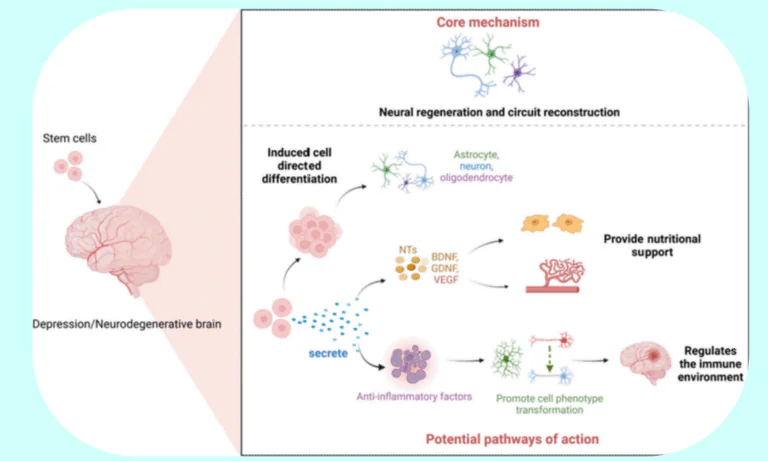
AUTISM SPECTRUM DISORDER
“Every child deserves support to reach their potential.”
Definition
Autism spectrum disorder is a developmental condition affecting communication, behaviour, and social interaction. It appears in early childhood and varies in severity.
Common Symptoms
- Delayed speech
- Difficulty in social interaction
- Repetitive behaviors
- Sensory sensitivity
How Stem Cell Therapy May Help
Stem cell therapy may support neural connectivity and reduce inflammation in the brain. It may help improve communication, attention, and behavior in selected children when combined with behavioral therapy.
Diagnostic Tests
- Developmental assessment
- Behavioral evaluation
- Neurological examination
- Brain imaging if required
- Blood screening
Procedure
- Developmental assessment
- Neurological screening
- Medical clearance
- Controlled stem cell therapy
- Speech and behavioural therapy
- Progress monitoring
ATTENTION DEFICIT HYPERACTIVITY DISORDER (ADHD)
“Focused support helps build focused minds.”
Definition
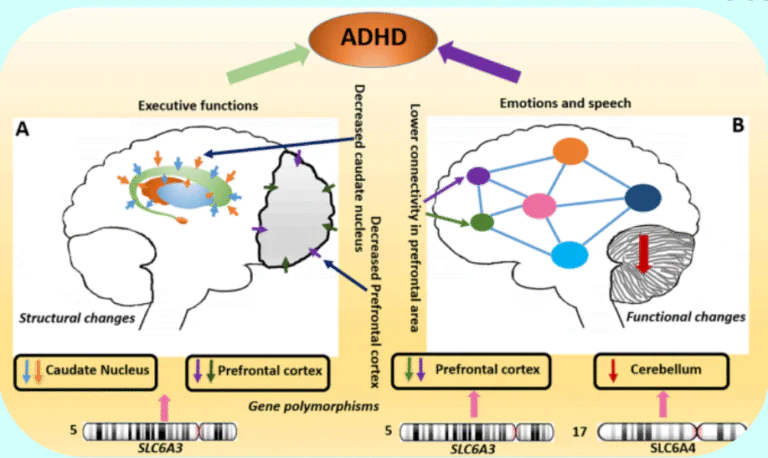
ADHD is a neurodevelopmental disorder characterised by inattention, hyperactivity and impulsivity. It affects children and may continue into adulthood.
Common Symptoms
- Difficulty concentrating
- Hyperactivity
- Impulsive behavior
- Poor academic performance
Diagnostic Tests
- Behavioral assessment
- Attention scoring scales
- Psychological evaluation
- Blood screening
How Stem Cell Therapy May Help
Stem cell therapy may support neural balance and improve attention pathways. It is considered supportive and combined with behavioral therapy and structured educational support.
Procedure
- Psychological evaluation
- Medical screening
- Case review
- Controlled stem cell therapy
- Behavioral therapy support
- Ongoing evaluation
MULTIPLE SCLEROSIS
“Strengthening the nervous system supports long-term stability.”
Definition
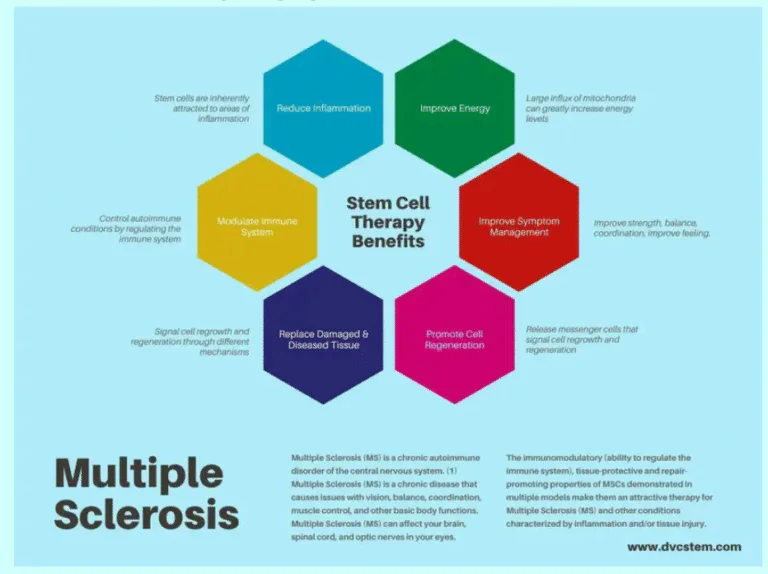
Multiple sclerosis is an autoimmune disease where the immune system attacks the protective covering of nerves. This disrupts communication between the brain and body.
Common Symptoms
- Numbness
- Weakness
- Vision problems
- Balance issues
- Fatigue
Diagnostic Tests
- MRI brain and spine
- Neurological examination
- Lumbar puncture if required
- Blood tests for autoimmune markers
How Stem Cell Therapy May Help
Stem cell therapy may help regulate immune activity and support nerve repair. It may reduce inflammation and slow disease progression in selected cases.
Procedure
- Neurological assessment
- Imaging review
- Immune function screening
- Controlled regenerative therapy
- Rehabilitation and physiotherapy
- Regular monitoring
THANK YOU
REKOSH HEALTHCARE
Advanced Stem Cell & Regenerative Medicine
📞 02249790808
🌐 www.rekoshhealthcare.com
📍 Rustomjee Central Park - Office Chakala, Andheri East, Mumbai
📍 Wave One, Sector 18, Noida, Uttar Pradesh